Paragon Rising Star Junior Golf Clubs: 3 Best Picks for Growing Golfers
Comparing paragon rising star junior golf clubs against other kids' sets? See three strong options by age, sizing and fit, plus a buying checklist for parents.
 By Miles Sinclair
Updated November 17, 2026
 By Miles Sinclair
Updated November 2026
Parents searching for paragon rising star junior golf clubs usually want to know one thing: will this set fit their child now, and will it still work in a year or two? The right junior set depends on height, swing speed, arm length and how much growing room the child needs. The three picks below were compared on age range and height fit, shaft and club-length specifications stated by the manufacturer, construction type, the balance between beginner-friendly features and long-term use, and patterns owners commonly mention in their feedback. Each one suits a different stage of the junior game.
Our top picks at a glance
- 1TOP CHOICEBest overallConfidence Golf Junior Golf Clubs Set for Kids Age 4-7View on Amazon
- 2
 Best for ages 9-12Vice Junior Golf Club SetView on Amazon
- 3
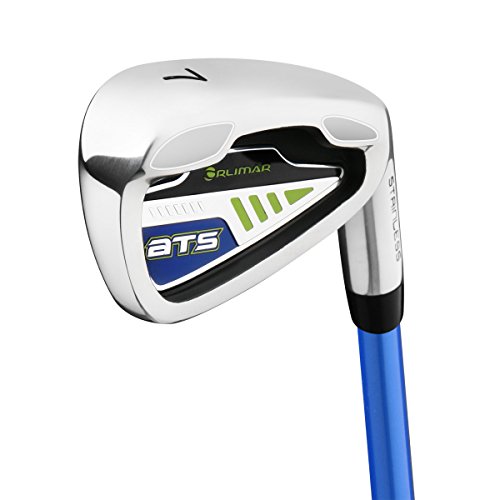 Best for a single-club starterOrlimar ATS Junior 7 Iron Golf ClubView on Amazon
Our Top Picks
| Product | Best for | Key feature |
|---|---|---|
| Confidence Golf Junior Golf Clubs Set for Kids Age 4-7 | Young beginners, ages 4-7 | Set sized for children up to about 4 ft 6 in tall |
| Vice Junior Golf Club Set | Pre-teens, ages 9-12 | Set designed for a 54-58 inch player |
| Orlimar ATS Junior 7 Iron Golf Club | Ages 5-8, single-club practice | Flexible graphite shaft and cavity back head |
Confidence Golf Junior Golf Clubs Set for Kids Age 4-7
Confidence Golf Junior Golf Clubs Set for Kids Age 4-7 (up to 4' 6' Tall)
Best for: Young beginners, ages 4-7
This set suits a child who is just starting to swing a club and who stands roughly 4 feet 6 inches tall or less. Parents of very young players often prefer a complete set in one purchase so the child can learn the full range of shots without frequent changes.
Key specs:
- Listed for kids age 4-7
- Designed for children up to about 4 ft 6 in tall
- Complete junior set format
Pros:
- Sizing matches the youngest age group, reducing the risk of an overlong club
- A full set lets a beginner practice several lofts from the start
- Lightweight build suits small hands and short swings
Cons:
- A child will outgrow these lengths within a season or two
- Limited use for older players once height passes the listed range
Bottom line: Best for a first-time golfer around age 4-7 who is well under the stated height limit. Plan on an upgrade as the child grows.
View on AmazonVice Junior Golf Club Set
Vice Junior Golf Club Set (Ages 9-12 (54-58"))
Best for: Pre-teens, ages 9-12
This set is aimed at a child in the 9-12 range who has moved past the first-set stage and needs clubs that match a longer, more committed swing. It fits a player in the 54-58 inch height bracket, which is a useful guide when comparing sizing charts.
Key specs:
- Listed for ages 9-12
- Fits players 54-58 inches tall
- Junior set configuration
Pros:
- Height range is stated clearly, which simplifies fitting
- Suits the step between beginner clubs and adult-length sets
- Gives a growing player more length without jumping straight to adult sizes
Cons:
- A child at the top or bottom edge of the range may need a closer fitting check
- Still requires a size change within a few years as height increases
Bottom line: A sensible pick for a pre-teen who fits the 54-58 inch range and needs a reliable set for regular practice.
View on AmazonOrlimar ATS Junior 7 Iron Golf Club
Orlimar ATS Junior 7 Iron Golf Club, Right Handed Boys Ages 5-8 | Blue/Lime Series, for Kids 44-52” Tall, Flexible Graphite Shaft, 30.5” Long, Cavity Back Design
Best for: Ages 5-8, single-club practice
Rather than a full set, this is a single right-handed 7 iron for a child aged roughly 5-8. It works well as a supplement to an existing set or as a practice club for building contact and tempo.
Key specs:
- Single 7 iron, right-handed
- Listed for kids 44-52 inches tall
- 30.5 inch overall length
- Flexible graphite shaft
- Cavity back head design
Pros:
- Graphite shaft is lighter and more forgiving for small swings
- Cavity back head offers a larger sweet spot than blade designs
- Inexpensive way to add a mid-iron to a practice bag
Cons:
- One club does not replace a full set for course play
- Only suits right-handed players
Bottom line: A useful add-on for a child in the 44-52 inch range who needs a mid-iron for practice rather than a complete starter set.
View on AmazonBuying Guide
Height and Club Length
Height is the most reliable starting point. Manufacturers usually publish height ranges, and a child standing at the top of one range may already need the next size. Check the stated range and measure your child in socks. Club length also matters: a club that is too long forces a slouched posture and inconsistent contact.
Good picks for this: Vice Junior Golf Club Set, Confidence Golf Junior Golf Clubs Set for Kids Age 4-7
Age Range
Age ranges are a rough guide, since growth varies widely. Use age as a cross-check against height rather than the main deciding factor. A tall six-year-old and a small nine-year-old can end up in very different sets.
Good picks for this: Confidence Golf Junior Golf Clubs Set for Kids Age 4-7, Vice Junior Golf Club Set
Shaft Material and Flex
Graphite shafts are lighter and tend to suit slower swing speeds, while steel shafts are heavier and more stable for stronger swings. Look for the shaft material listed in the specifications. Junior players usually benefit from a flexible shaft that helps them load and release the club. Paragon Rising Star Junior Golf Set: 4 Best Picks for Growing Golfers goes further into this.
Good picks for this: Orlimar ATS Junior 7 Iron Golf Club
Head Design
Cavity back heads place weight around the perimeter of the clubhead, which gives a larger sweet spot and more forgiveness on off-center hits. Blade designs are smaller and less forgiving. For most beginners and developing juniors, a cavity back design is the more practical choice.
Good picks for this: Orlimar ATS Junior 7 Iron Golf Club
Set Versus Single Club
A complete set gives a beginner every loft from driver to putter, which helps them learn how different clubs produce different shots. A single club is better as a supplement. Decide whether the child needs a full course-ready set or a practice tool for one specific shot.
Good picks for this: Confidence Golf Junior Golf Clubs Set for Kids Age 4-7, Orlimar ATS Junior 7 Iron Golf Club
Handedness
Confirm whether the child swings right- or left-handed before buying. Many junior products are listed for right-handed players only. Mismatched handedness is one of the most common and avoidable buying errors for young golfers, so check the listing carefully.
Good picks for this: Orlimar ATS Junior 7 Iron Golf Club
Growth Planning and Resale
Plan for growth. A set that fits well now may be outgrown in one or two seasons. Consider how long the child is likely to use the clubs and whether a set can be sold or passed on later. Clubs in good condition often keep their value within the junior market, which can soften the cost of the next upgrade.
Good picks for this: Vice Junior Golf Club Set, Confidence Golf Junior Golf Clubs Set for Kids Age 4-7
FAQ
What size junior clubs does my child need?
Start with height. Manufacturers list height ranges for each set, and a child should fit comfortably within the stated range. Measure in socks, then compare with the listing. Age is a useful cross-check but should not override height.
Is a graphite shaft better than steel for kids?
For most junior players, graphite is easier to swing because it is lighter. Steel can suit stronger or faster swings. Choose based on the child’s swing speed and what the specifications state.
Should I buy a full set or individual clubs?
A full set is better for a beginner who needs every loft from the start. Single clubs work best as supplements for practice or for filling a specific gap in an existing set.
How often do junior golfers need new clubs?
Growth determines this more than wear. Many children move up a size every one to two years during early and middle childhood. Recheck height every season before assuming the current set still fits.
Do junior clubs need to match left or right handedness?
Yes. Confirm handedness before buying, because many junior products are offered only for right-handed players. Mismatched clubs make consistent swings difficult.
Can a child use an adult set temporarily?
Generally this is not recommended. Adult clubs are longer and heavier, which can lead to poor posture and inconsistent contact. A coach or club professional can advise on a safe transition if you are unsure.
Conclusion
For a younger beginner in the 4-7 range, the Confidence Golf Junior Golf Clubs Set for Kids Age 4-7 fits the stated height and age guidance and gives a full set to start with. For a pre-teen in the 9-12 range, the Vice Junior Golf Club Set matches the 54-58 inch sizing bracket and offers a sensible step up. For a child who needs a single mid-iron for practice, the Orlimar ATS Junior 7 Iron Golf Club adds a graphite, cavity back option without replacing an existing set. Measure your child, check the stated height range, and confirm handedness before you buy.
Sources
- Rules, handicapping and general guidance on equipment and the game of golf
- Consumer product safety information relevant to children's sporting goods (cpsc.gov)
Related reading
- Wilson Profile Junior Golf Clubs: How to Size and Choose the Right Set (2026)
- Wilson Junior Golf Clubs 5-8: How to Size and Choose the Right Set
- Wilson Golf Clubs Junior: 3 Best Sets for Growing Young Golfers (2026)
About Miles Sinclair
Miles Sinclair is part of our editorial team and reviews and edits our junior golf gear guides, checking product details against manufacturer specifications and owner feedback.
About the author
Miles Sinclair writes reviews and buying guides for Junior Golf Results.