6 Best Tour Motion Flexible Golf Swing Trainers for Junior Golfers (2026)
Compare six flexible golf swing trainers for tempo, rhythm and swing plane. Learn which tour motion flexible golf swing trainer fits your junior golfer's needs.
 By Claire Whitaker
Updated November 23, 2026
 By Claire Whitaker
Updated November 2026
Shopping for a tour motion flexible golf swing trainer can be confusing, since most listings promise the same benefits: better tempo, smoother rhythm and a more connected swing. This list compares six well-known options by training focus, length, weight feel and how each one fits a growing junior golfer. We looked at product listings, brand reputation and common owner feedback patterns, and we ranked the picks by how well they match the criteria below.
Our top picks at a glance
- 1TOP CHOICEBest overallTour-Feel Swing Trainer: The Easy-to-Use Tour Proven Golf Training AidView on Amazon
- 2
 TOP CHOICEBest for flexibilityOrange Whip Golf Swing Trainer Aid, Patented Counterbalanced, 47"View on Amazon
- 3
 TOP CHOICEBest for younger kidsOrange Whip Mid-Size Golf Swing Trainer Aid, 43.5"View on Amazon
- 4
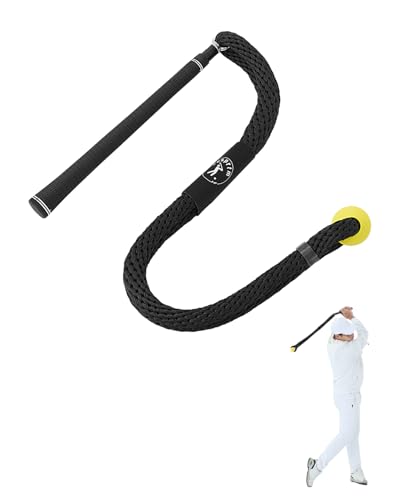 Best for speed and lagCusprtm Golf Swing Trainer Rope with Real Standard Club GripView on Amazon
- 5
 Best for arm connectionTour Striker Smart Ball Golf Swing Training AidView on Amazon
- 6
 Best for indoor practiceBalight Golf Swing Trainer Aid, 48 Inches, BlueView on Amazon
Our Top Picks
| Product | Best for | Key feature |
|---|---|---|
| Tour-Feel Swing Trainer | Overall use | Swing width guidance |
| Orange Whip Golf Swing Trainer Aid (47″) | Flexibility | Counterbalanced flexible shaft |
| Orange Whip Mid-Size Golf Swing Trainer Aid (43.5″) | Younger kids | Shorter, lighter length |
| Cusprtm Golf Swing Trainer Rope | Speed and lag | Standard club grip |
| Tour Striker Smart Ball Swing Training Aid | Arm connection | Tempo and ball striking |
| Balight Golf Swing Trainer Aid (48″) | Indoor practice | Strength, grip and tempo |
Tour-Feel Swing Trainer: The Easy-to-Use Tour Proven Golf Training Aid
Tour-Feel Swing Trainer: The Easy-to-Use Tour Proven Golf Training Aid Designed to Help Every Golfer Master Swing Width! Designed by Golf Teachers and Pros!
Best for: Overall use and swing width control
This trainer is aimed at golfers who want a simple, focused tool for building a consistent swing width. Its listing highlights input from golf teachers and pros, which suits parents looking for a clear starting point. For another angle, check out Orange Whip Swing Trainer: 5 Best Options for Junior Golfers (2026).
Pros
- Clear focus on swing width
- Straightforward to use without instruction
Cons
- Less variety in training motions than rope or flexible shaft designs
Orange Whip Golf Swing Trainer Aid, Patented Counterbalanced, 47″
Orange Whip Golf Swing Trainer Aid, Patented Counterbalanced Golf Swing Aid, Made in the USA, 47"
Best for: Flexibility and whole-body motion
The full-length version suits taller juniors and adults who want a longer, flexing shaft to encourage a full, rhythmic swing. Owners often report it works well for loosening up before a round.
Pros
- Counterbalanced design promotes smooth motion
- Made in the USA according to the listing
Cons
- Length may be too long for younger children
Orange Whip Mid-Size Golf Swing Trainer Aid, 43.5″
Orange Whip Mid-Size Golf Swing Trainer Aid for Improved Rhythm, Flexibility, Balance, Tempo, Swing Plane, and Strength, Patented and Made in USA, 43.5"
Best for: Younger kids and smaller frames
The shorter length is a better match for children who are still growing into full-size equipment. It targets rhythm, balance and tempo in a size that fits a smaller swing arc.
Pros
- Shorter length suits younger juniors
- Covers rhythm, balance and swing plane
Cons
- Less suitable for taller juniors
Cusprtm Golf Swing Trainer Rope with Real Standard Club Grip
Cusprtm Golf Swing Trainer Rope with Real Standard Club Grip – Authentic Tour Feel for Speed & Lag – Rope Golf Swing Trainer for Timing – Warm-up Golf Training Rope with Soft Safety Head (Black)
Best for: Speed, lag and timing
A rope design with a standard club grip gives a feel closer to an actual club. It works for golfers who want to practice lag and timing through a warm-up routine.
Pros
- Standard club grip for a familiar feel
- Soft safety head for practice
Cons
- Rope flex can feel different from a steel or graphite shaft
Tour Striker Smart Ball Golf Swing Training Aid
Tour Striker Smart Ball Golf Swing Training Aid | Patented swing trainer promotes proper arm connection, tempo, and consistent ball striking during practice.
Best for: Arm connection and ball striking
This patented trainer is built around the idea of keeping the arms connected to the body through impact. It suits golfers working on consistent contact and tempo.
Pros
- Focuses on arm connection
- Helps with tempo during practice
Cons
- Requires some setup time before each session
Balight Golf Swing Trainer Aid, 48 Inches, Blue
Balight Golf Swing Trainer Aid and Correction for Strength Grip Tempo & Flexibility Training Suit for Indoor Practice Chipping Hitting Golf Accessories (48 Inches, Blue)
Best for: Indoor practice and strength training
The 48-inch design is a practical option for garage or basement sessions. It covers grip, tempo and flexibility in one tool.
Pros
- Works well for indoor practice
- Covers grip, tempo and flexibility
Cons
- Build quality varies by listing reviews, so check the specs before buying
Buying Guide
Length and Fit for Your Junior Golfer
Shaft length matters more for juniors than most parents expect. A trainer that is too long can change posture and make it harder to set up correctly, while one that is too short may encourage bad habits. Measure your child’s height and compare it with the length listed for each model before you buy.
Taller kids may outgrow a shorter trainer quickly, so it can help to choose a length that still fits them comfortably over the next season or two.
Weight Feel and Counterbalancing
Many trainers use a counterbalanced head or a weighted end to mimic the feel of a real club during the backswing and downswing. This can help with tempo and lag, but a heavier feel is not always better for a young player who is still building strength. Look for a weight that lets your junior swing through the full motion without strain or loss of control.
Flexible designs that bend under load can reinforce a smooth, connected motion, while stiffer options are better suited to working on a steady club path.
Training Focus and Skill Level
Different trainers emphasize different things, such as flexibility, rhythm, swing plane, arm connection or ball striking. Start by identifying the skill your junior most needs to develop, then choose the trainer built around that goal. A beginner may benefit most from simple tempo work, while a more experienced player may want targeted feedback on plane and impact.
Ease of Use and Portability
A trainer your child will actually use is worth more than a feature-packed one that sits in the garage. Consider whether the grip feels comfortable, whether the setup is quick, and whether it is light enough to carry to the backyard, the range or a practice indoors. Compact, easy-to-store options are especially helpful for families with limited space.
Safety and Build Quality
Since juniors often practice in tight spaces or near family members, look for trainers with soft safety heads, secure grips and sturdy construction. Pay attention to how the flexible portion is attached to the grip and whether the materials appear durable for frequent swinging. A well-built trainer reduces the chance of breakage and keeps practice sessions safer.
FAQ
Are flexible golf swing trainers good for junior golfers?
Yes, many junior golfers use flexible trainers to build tempo, rhythm and a more connected swing without hitting a ball. They are most useful as a supplement to regular lessons and practice rather than a replacement. Choosing the right length and weight for the child’s size makes the biggest difference.
What length swing trainer should a junior golfer use?
The right length depends on your child’s height, arm length and current club length. Compare their measurements with the length listed for each trainer, and consider a model that still fits as they grow. A coach or instructor can also help confirm the best size.
How often should a junior practice with a swing trainer?
Short, frequent sessions tend to work better than long, tiring ones, especially for younger players. A few minutes of focused swings several times a week can help build rhythm and flexibility. Keep an eye on fatigue and stop if form starts to break down.
Can a swing trainer help with flexibility?
Flexible trainers are designed to encourage smooth, full-range movement, which can support mobility through the shoulders, hips and torso. They work best when combined with a proper warm-up and stretching routine. They are not a substitute for dedicated flexibility work if your junior has specific physical limitations.
Do I need a coach to use these trainers effectively?
A coach is not required, but guidance can help your junior avoid developing new swing faults while using the trainer. Many instructors can show you how to set up and use the tool correctly. Even a few lessons can make practice sessions more productive.
Conclusion
For most junior golfers looking for an all-around tempo and swing-connection trainer, the Tour-Feel Swing Trainer is a strong starting point. Families of older or taller juniors who want more flexibility work may prefer the 47-inch Orange Whip, while the mid-size Orange Whip suits younger, smaller players who need a shorter length.
Players who want a rope-style feel or a ball-striking focus may find the Cusprtm rope trainer or the Tour Striker more useful, and the Balight option works well for indoor practice and general grip and tempo training. Match the trainer to your junior’s height, skill level and main training goal, and the right choice will usually become clear.
Related reading
- Golf Swing Trainer Machine: How to Choose and Use One for Junior Swings
- Golf Swing Trainer Circle: 3 Best Options for Home Practice (2026)
- 4 Best Golf Swing Trainer Weight Options for Better Tempo and Speed
- Top 6 Breaking 80 Golf Practice Nets for Junior and Home Swings
- PVC DIY Golf Practice Net: Build One for Backyard Swings (Step-by-Step)
About Claire Whitaker
Claire Whitaker is part of our editorial team and reviews and edits our junior golf gear guides, checking product details against manufacturer specifications and owner feedback.
About the author
Claire Whitaker writes reviews and buying guides for Junior Golf Results.